
Fiber Optic testing course
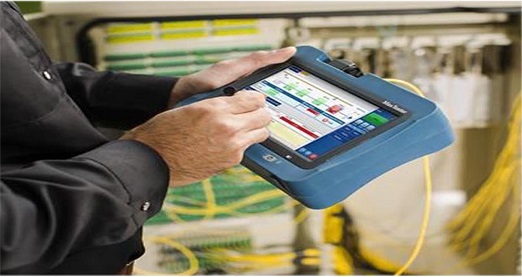
:Training target
At the end of training, the trainees will gain technical knowledge and experience in the following:
- Fiber optics basics ( fiber cables – fiber types – connector types – fiber standards)
- Differentiate between testing types (TIER 1 – TIER 2 )
- Calculating the link loss budget
- Reading and understanding OTDRs specs
- OTDR Dynamic range, pulse width, time duration and all configuration and identification
- Setup parameters for best test result
- OTDR events appears in the display
- How to ensure the test results accuracy
- Pass/Fail alarms as per standards
- Generate and analyze OTDR test reports
- Cleaning tool kits and how does cleaning affect the network quality
- Case studies for maintaining and troubleshooting fiber networks
:Course Outline
:Day 1
- What needs testing
- Introduction to fiber optic networks
- How do fiber networks work?
- Difference between multimode and single-mode fiber
- Difference between all types of fiber cables and connectors (LC – Sc- Fc – MPO – St E2000 – DIN …)
- Best cable preparation and management to avoid bending affect
Day 2:
- Calculating the loss budget (Splices, Connectors , Insertion loss , Return loss …)
- Fiber performance specifications (Attenuation – BW – Dispersion – scattering – Losses)
- Fiber optic test instruments (VFL – OLTS – OTDR – Inspection microscope)
- Common fiber tests
- International fiber optic testing standards
- Testing standards using OTDR
- OTDR working theory
Day 3:
- Proper setup and configuration of OTDR (KF7+QB)
- Configuring the Pass/Fail threshold table
- OTDR events recognition
- Understanding OTDR display features
Day 4:
- Information in the OTDR trace
- Testing Identification
- OTDR measurements
- OTDR reports analyzing
- Recording test results
- Detection of connector issues
- Connector cleaning using the proper cleaning tools( 1.25 mml & 2.5 mml)
- Connectors inspection and checking the quality of connector end face (Ferrule)
Day 5:
- KF7+QB OTDR specs and features
- Certify and end to end optical loss measurement using LSPM
- Characterize OTDR trace of FO link showing all events and the span length
- Analyze the test results and the connector end face (ferrules) using inspection probe
- Case study (Analyzing test routes and troubleshooting problems )
- Testing and Troubleshooting checklists
- Test documentation